
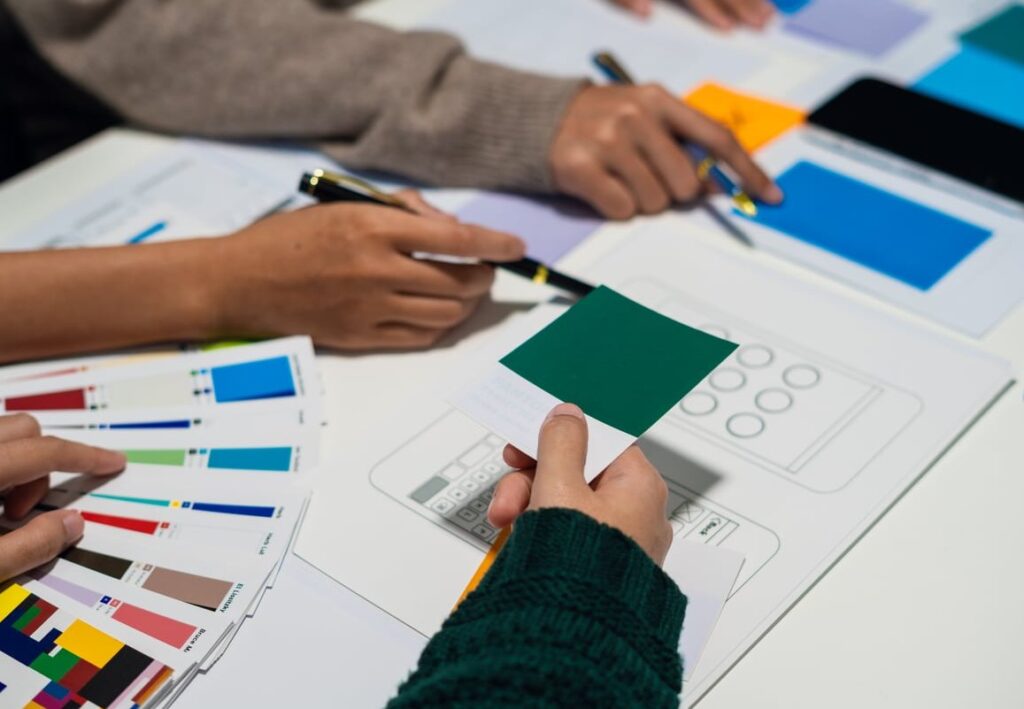
Why Color Is the Silent Host of Every Restaurant
Before a customer reads your menu, tastes your food, or speaks to your staff, they have already formed an opinion about your restaurant. That opinion is shaped largely by color. Color psychology in restaurant branding is not a trend or a nice-to-have. It is a foundational business decision that influences mood, appetite, spending behavior, and even how long someone stays at a table.
In this guide, we break down exactly how specific colors affect customer perception and behavior, why the biggest restaurant brands on the planet chose their palettes deliberately, and how you can apply these principles to your own dining concept, whether you run a fast-casual taco spot or an upscale tasting-menu restaurant.
The Science Behind Color and Dining Behavior
Color influences us on both conscious and subconscious levels. When we see a color, our brain triggers emotional and even physiological responses before we have time to think about it. In a restaurant context, this translates into tangible business outcomes:
- Appetite stimulation or suppression: Warm colors like red and orange are proven appetite stimulants. Cool colors like blue can suppress hunger.
- Spending behavior: Research shows that red increases impulsive decisions (think: “Sure, I will get dessert”), while blue encourages more cautious spending.
- Perceived wait time: Warm, energetic color schemes can make time feel like it passes faster, which is why quick-service restaurants lean heavily on them.
- Dwell time: Cooler, darker, or more muted palettes encourage guests to linger, which is ideal for establishments that profit from longer visits and higher per-table spend.
Understanding these effects is the first step toward making intentional, profitable color choices for your brand.
How Individual Colors Affect Restaurant Customers
Not every color works for every concept. Below is a detailed breakdown of the most common colors used in restaurant branding, what they communicate, and where they work best.
| Color | Psychological Effect | Appetite Impact | Best For |
|---|---|---|---|
| Red | Urgency, excitement, passion | Strong stimulant | Fast food, casual dining, pizza chains |
| Yellow | Happiness, energy, attention-grabbing | Strong stimulant | Fast food, family restaurants, bakeries |
| Orange | Warmth, friendliness, creativity | Strong stimulant | Casual dining, juice bars, brunch spots |
| Green | Health, freshness, nature, balance | Mild stimulant | Salad bars, organic cafes, vegan restaurants |
| Blue | Trust, calm, reliability | Suppressant | Seafood restaurants, water-themed bars (use sparingly) |
| Black | Luxury, sophistication, exclusivity | Neutral | Fine dining, cocktail bars, high-end steakhouses |
| White | Cleanliness, simplicity, modernity | Neutral | Minimalist cafes, modern Asian cuisine, dessert shops |
| Brown / Earth Tones | Comfort, warmth, rusticity | Mild stimulant | Coffee shops, barbecue joints, farm-to-table concepts |
| Purple | Royalty, creativity, indulgence | Mild suppressant | Dessert boutiques, wine bars, upscale pastry shops |
Why Fast Food Chains Almost Always Use Red and Yellow
This is not a coincidence. Walk through any major city in the world and you will notice that the vast majority of fast food logos and interiors rely on some combination of red and yellow. Think of McDonald’s, Burger King, Wendy’s, KFC, In-N-Out, Chick-fil-A, and Popeyes. The pattern is unmistakable.
Here is why it works so well for quick-service restaurants:
- Red stimulates appetite and urgency. It raises heart rate slightly and creates a sense of excitement. It makes customers want to act now, order quickly, and eat enthusiastically.
- Yellow grabs attention and signals happiness. It is the most visible color in the spectrum and naturally draws the eye. Combined with red, it creates an energetic, welcoming atmosphere.
- Together, they speed up the dining experience. These colors subconsciously discourage lingering. Customers order fast, eat fast, and leave, which is exactly the turnover model that quick-service brands need.
This red-and-yellow combination is sometimes called the “ketchup and mustard” theory in branding circles. It is one of the most consistently validated principles in color psychology in restaurant branding.
Real-World Examples
- McDonald’s: The golden arches on a red background are arguably the most recognized restaurant branding on Earth. In some European markets, McDonald’s has shifted to green to signal sustainability, which is itself a color psychology play.
- Wendy’s: Red dominates the logo, signaling warmth and appetite stimulation, while the friendly character softens the energy.
- KFC: Red and white combine appetite stimulation with a sense of cleanliness and tradition.
Why Fine Dining Restaurants Choose Dark and Muted Tones
At the opposite end of the spectrum, fine dining establishments tend to avoid bright, saturated colors almost entirely. Instead, they lean toward black, deep burgundy, navy, charcoal, gold accents, and rich earth tones.
The psychology behind this is straightforward:
- Dark colors communicate exclusivity and luxury. They create an intimate, sophisticated atmosphere that signals a premium experience.
- Muted palettes encourage guests to stay longer. Unlike the urgency of red and yellow, dark tones create a calm, relaxed environment where guests feel comfortable ordering another bottle of wine or a second dessert.
- Contrast highlights the food. When the environment is dark and subdued, the plates of food become the visual focal point. This is why so many fine dining restaurants use white plates against dark table settings.
Real-World Examples
- Nobu: Black, dark wood, and minimal accent colors create an atmosphere of refined simplicity.
- The French Laundry: Muted stone, slate blue, and natural greens reflect the connection to Napa Valley while maintaining understated elegance.
- Most Michelin-starred restaurants: You will rarely find primary colors dominating the branding. Instead, they use monochromatic or limited palettes that let the food itself provide the color.
Choosing the Right Color Palette for Your Restaurant Concept
Now that you understand what individual colors do and how the extremes of fast food and fine dining use them, how do you make the right choice for your specific concept? Follow this step-by-step process.
Step 1: Define Your Brand Personality
Before picking colors, answer these questions:
- Is your restaurant casual, upscale, or somewhere in between?
- What emotions do you want guests to feel when they walk in?
- How long do you want the average guest to stay?
- What is your target demographic (families, young professionals, couples, business diners)?
Step 2: Match Colors to Your Desired Customer Behavior
| If You Want Customers To… | Consider These Colors |
|---|---|
| Order quickly and leave | Red, yellow, orange |
| Linger and order more | Dark tones, muted earth colors, deep greens |
| Feel healthy and refreshed | Green, white, light natural tones |
| Feel special and indulged | Black, gold, deep purple, burgundy |
| Feel comfortable and at home | Warm browns, terracotta, soft yellows |
| Feel energized and social | Bright orange, coral, warm pink |
Step 3: Build a Palette, Not Just Pick a Color
No restaurant brand should rely on a single color. Effective restaurant branding uses a palette that typically includes:
- A primary color that dominates the logo and key visual elements
- A secondary color that provides contrast and visual interest
- An accent color used sparingly for calls to action (menu highlights, signage, online order buttons)
- A neutral base (white, cream, gray, or black) that grounds the overall design
Step 4: Test Across All Touchpoints
Your color palette needs to work consistently across every place your brand appears:
- Logo and signage
- Interior walls, furniture, and lighting
- Menu design (print and digital)
- Website and social media
- Packaging and takeaway containers
- Staff uniforms
- Third-party delivery app listings
A color that looks gorgeous on a wall might be unreadable on a mobile screen. Always test your palette in real-world conditions.
Color Psychology by Restaurant Type: A Quick Reference
Here is a practical cheat sheet for common restaurant categories:
| Restaurant Type | Recommended Primary Colors | Colors to Avoid |
|---|---|---|
| Fast food / QSR | Red, yellow, orange | Blue, gray, pastel tones |
| Fast casual | Orange, green, warm neutrals | Very dark or very formal palettes |
| Family restaurant | Warm yellow, soft red, friendly green | Black-dominant schemes, neon |
| Health-focused / vegan | Green, white, earth tones | Heavy reds, dark palettes |
| Coffee shop / bakery | Brown, cream, warm gold, soft green | Bright primary colors |
| Fine dining | Black, navy, burgundy, gold | Bright yellow, loud orange, neon |
| Cocktail bar / lounge | Deep purple, black, copper, emerald | Childlike brights, pastels |
| Seafood restaurant | Ocean blue (as accent), white, sandy tones | Heavy red-dominant palettes |
Common Mistakes to Avoid with Restaurant Color Choices
Even with the best intentions, restaurants frequently make color branding mistakes that cost them customers and revenue. Here are the most common ones:
1. Using Too Many Colors
A palette of more than three or four colors often looks chaotic and unprofessional. Stick to a focused palette and use it consistently.
2. Ignoring Cultural Context
Color meanings vary across cultures. White symbolizes purity in Western cultures but is associated with mourning in some East Asian cultures. If your restaurant serves a diverse clientele or operates in multiple regions, research how your palette translates culturally.
3. Choosing Colors You Personally Like Instead of Colors That Work
Your favorite color might be blue. But if you are opening a burger joint, blue will actively suppress your customers’ appetites. Let strategy, not personal preference, guide the decision.
4. Forgetting About Accessibility
Approximately 8% of men and 0.5% of women have some form of color vision deficiency. Make sure your color palette maintains strong contrast so that menus, signage, and digital interfaces are readable for everyone.
5. Not Considering Lighting
Colors look different under warm incandescent bulbs, cool fluorescent strips, and natural daylight. Always test your colors under the actual lighting conditions in your restaurant space.
How Color Extends to Your Digital Presence
In 2026, a restaurant’s digital touchpoints are just as important as its physical space. Your website, social media profiles, online ordering platform, and delivery app presence all need to reflect the same color psychology strategy.
- Website: Your primary brand color should dominate the header, navigation, and call-to-action buttons. Use your neutral base for backgrounds to keep content readable.
- Social media: Develop templates and content themes that consistently use your brand palette. This builds recognition in crowded feeds.
- Online ordering: Use your accent color strategically for “Add to Cart” and “Order Now” buttons. Red and orange accents tend to drive the highest conversion rates on food ordering pages.
- Food photography: Style your food photos with backgrounds and props that complement your brand colors. This creates a cohesive visual identity across all platforms.
The Bottom Line: Color Is a Business Decision
Color psychology in restaurant branding is not about decoration. It is about designing an experience that guides customer behavior in ways that align with your business model. The right palette can increase appetite, drive impulse orders, encourage longer visits, justify premium pricing, and build instant brand recognition.
Whether you are launching a new restaurant concept or rebranding an existing one, take the time to make deliberate, research-backed color choices. The difference between a palette that “looks nice” and one that actively drives revenue is the understanding of why each color is there and what it is doing for your bottom line.
Frequently Asked Questions
What is the best color for a restaurant logo?
There is no single best color. It depends entirely on your concept. Red works well for fast food and casual dining because it stimulates appetite and urgency. Green is ideal for health-focused brands. Black and gold signal luxury for fine dining. The best logo color is one that accurately communicates your brand personality and appeals to your target audience.
Why do so many fast food restaurants use red?
Red is a strong appetite stimulant that also creates a sense of urgency and excitement. It encourages customers to order quickly and eat quickly, which supports the high-turnover business model that fast food restaurants depend on. Combined with yellow, it creates maximum visual impact and energy.
Does blue really suppress appetite?
Yes, research supports this. Blue is rarely found in natural foods (with very few exceptions like blueberries), so our brains do not associate it with eating. As a dominant color in a restaurant, blue can make food seem less appealing. However, it works well as an accent color for seafood restaurants or coastal-themed dining concepts where it reinforces the brand story.
How many colors should a restaurant brand use?
Most effective restaurant brands use a palette of three to four colors: one primary, one secondary, one accent, and one neutral. This provides enough variety for visual interest while maintaining a clean, professional, and recognizable identity.
Can I change my restaurant’s color scheme without a full rebrand?
Yes, but it should be done carefully and gradually. A sudden shift in brand colors can confuse loyal customers. If you want to evolve your palette, start with interior updates and digital presence, and communicate the change as a refresh rather than a complete overhaul. Make sure the new palette better serves your business goals and customer experience.
How does color psychology apply to restaurant menu design?
Color plays a major role in menu design. Highlighting specific items in warm colors like red or orange can draw the eye and encourage orders of high-margin dishes. Using darker backgrounds with lighter text can create a premium feel. Green accents can make health-conscious options stand out. The key is using color strategically to guide the diner’s eye toward the items you most want them to order.